
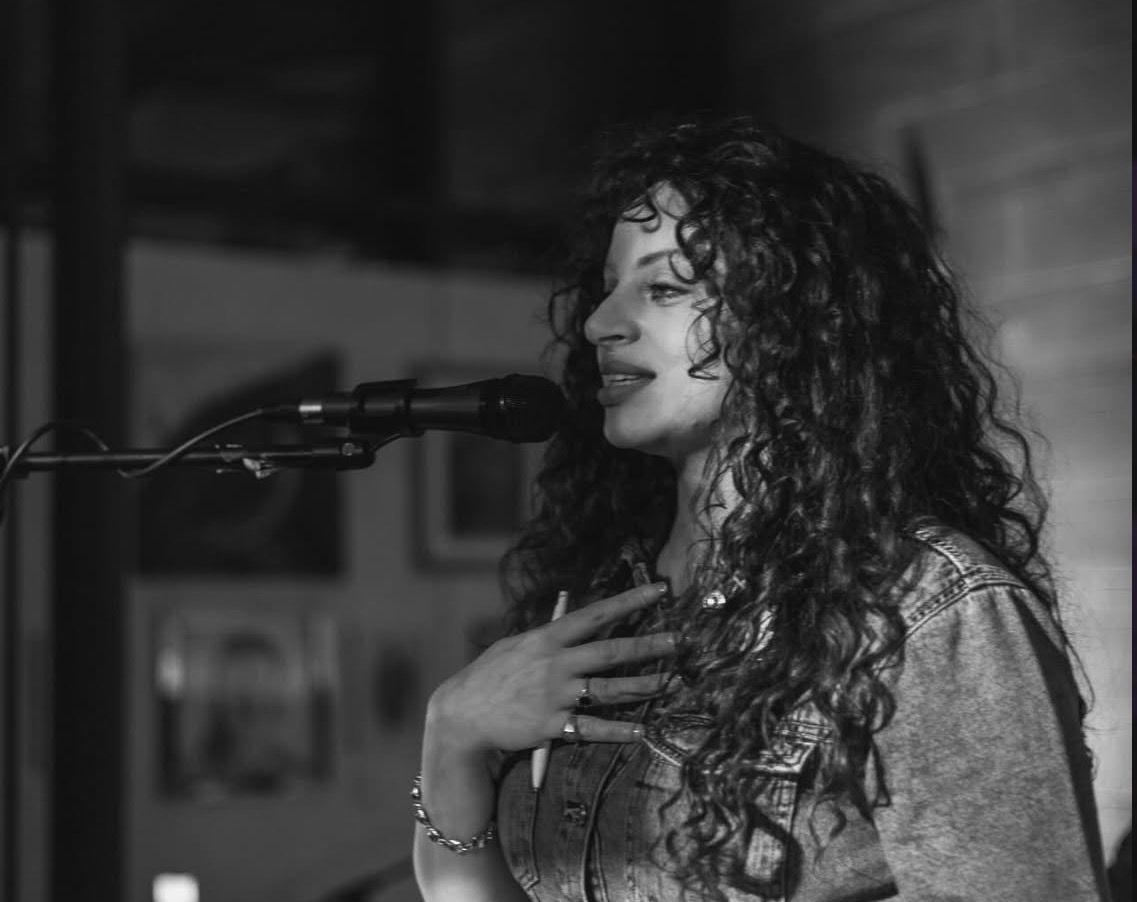
About the author
Shahd Karaeen is a Palestinian writer and poet whose work explores survival, memory, and the psychological landscapes shaped by silence and endurance. Born in Jerusalem and later living in the United Kingdom, her life has been shaped by the tensions between homeland, displacement, and the expectations placed on women navigating different cultures.
As seen in:











Organised by the International Association of Art and Culture for Peace (IAACP) under the Universal Peace Federation UK (UPF UK), Canvas of Cultures brought together artists, poets, and musicians from around the world to celebrate the power of creativity in fostering dialogue, unity, and peace across cultures. During the event, poet and peace advocate Shahd Karaeen was honoured with the recognition of UPF Ambassador for Peace for her contribution to promoting understanding through poetry and artistic expression.
Writing became a way for her to understand experiences that were difficult to name. From an early age she kept diaries, using words as a way to make sense of fear, identity, and the quiet pressures that shape women’s lives. Over time, those private reflections grew into a body of work that blends poetry and narrative to examine the emotional consequences of trauma and the search for agency.
Her work explores themes of power, survival, and the inner life of women who have been taught to endure rather than speak. She is particularly interested in how silence operates inside families, relationships, and cultural structures, and how reclaiming voice becomes an act of resistance.
These themes are central to her novel Hope: Re-Embroidered, a psychological literary work that follows a woman confronting abuse, memory, and inherited patterns of silence while trying to reclaim her autonomy. Through a layered narrative of therapy sessions, diary fragments, and personal reflection, the novel examines how trauma shapes identity—and how survival sometimes begins with telling the truth.
Shahd’s writing is driven by the belief that stories can transform pain into understanding. Through poetry, fiction, and public performances, she creates spaces where difficult truths can be spoken and where survival can be recognised not as weakness, but as strength.